The Digital Locker: Managing Power and Elements in Sports Gear
Update on Dec. 30, 2025, 3:40 p.m.
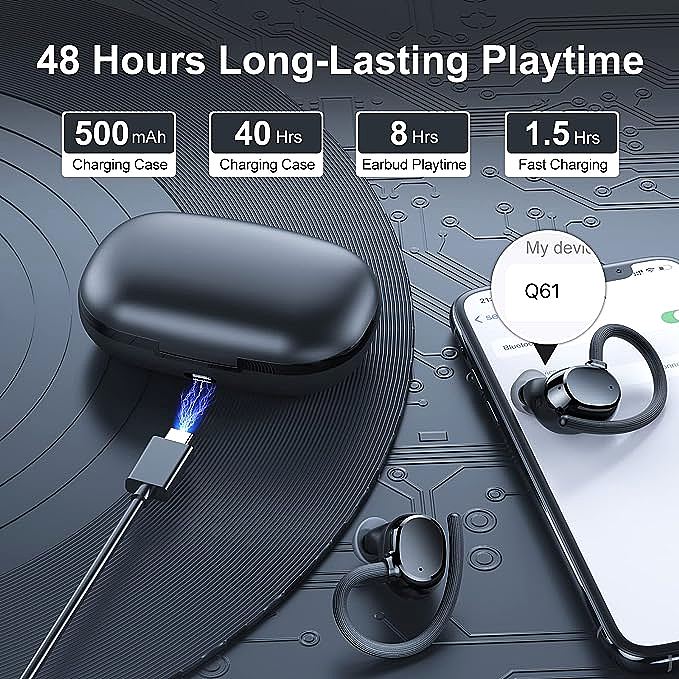
Athletes manage their gear with precision. Shoes are tracked for mileage; hydration is measured in ounces. Yet, electronic accessories often remain a source of uncertainty. Will the battery last the marathon? Will sweat corrode the charging contacts?
The WUYI Q61 integrates two critical features that transform the wireless earbud from a fragile accessory into a managed piece of athletic equipment: IP7 waterproofing and high-resolution LED telemetry. These features address the twin anxieties of the modern athlete: environmental failure and power depletion.
Hydrophobic Engineering: The IP7 Standard
Sweat is a corrosive electrolyte. It is far more damaging to electronics than fresh water. For a sports headphone, “water resistance” is insufficient; it requires ingress protection.
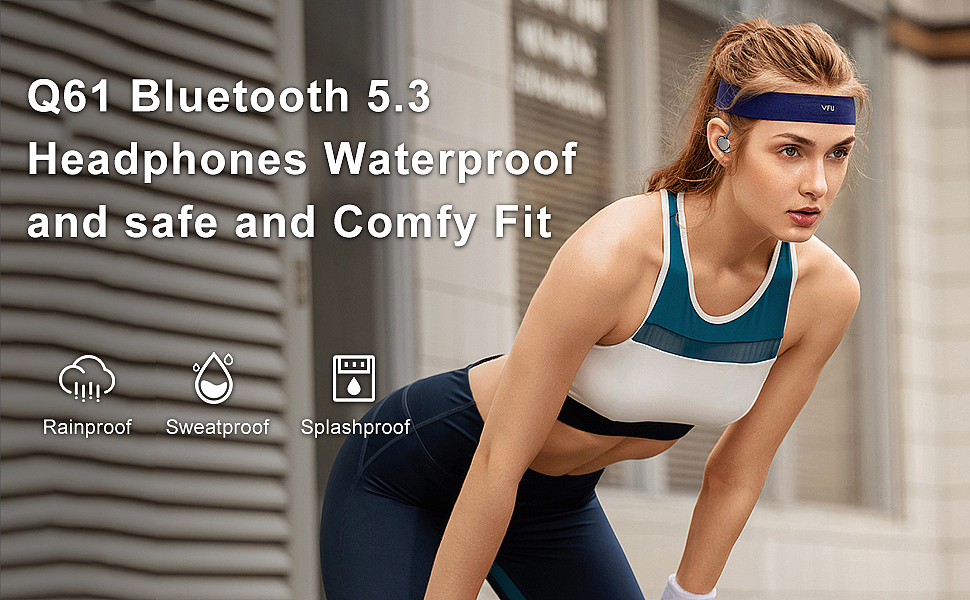
The IP7 rating (part of the IPX7 standard) certifies that the device can withstand submersion in 1 meter of water for 30 minutes. In the context of the Q61, this is achieved through nano-coating. Engineers apply a hydrophobic layer to the internal circuitry and acoustic mesh. * Chemical Shield: This coating lowers the surface energy of the components, causing sweat and rain to bead up and roll off rather than penetrating microscopic gaps. * Salt Protection: By preventing liquid from pooling on solder joints, the coating prevents the electrolytic corrosion caused by the salts in human sweat. This ensures the device survives not just the rain, but the grueling reality of daily training.
The Pre-Workout Check: LED Telemetry
Nothing disrupts a workout routine like a dead battery. Standard charging cases with vague “blinking lights” provide insufficient data for planning. A red light might mean 10% (risk of failure) or 30% (sufficient for a run).
The Dual LED Digital Display on the Q61 case solves this information asymmetry.
1. Numeric Precision: Seeing “85%” on the case gives the user absolute confidence that the reservoir is full.
2. Independent Monitoring: The flashing bars for the left and right earbuds provide a visual confirmation of contact. If a user drops their buds in the case after a sweaty run, sometimes the contacts don’t engage. The display acts as a diagnostic tool—if the bars aren’t moving, the buds aren’t charging.
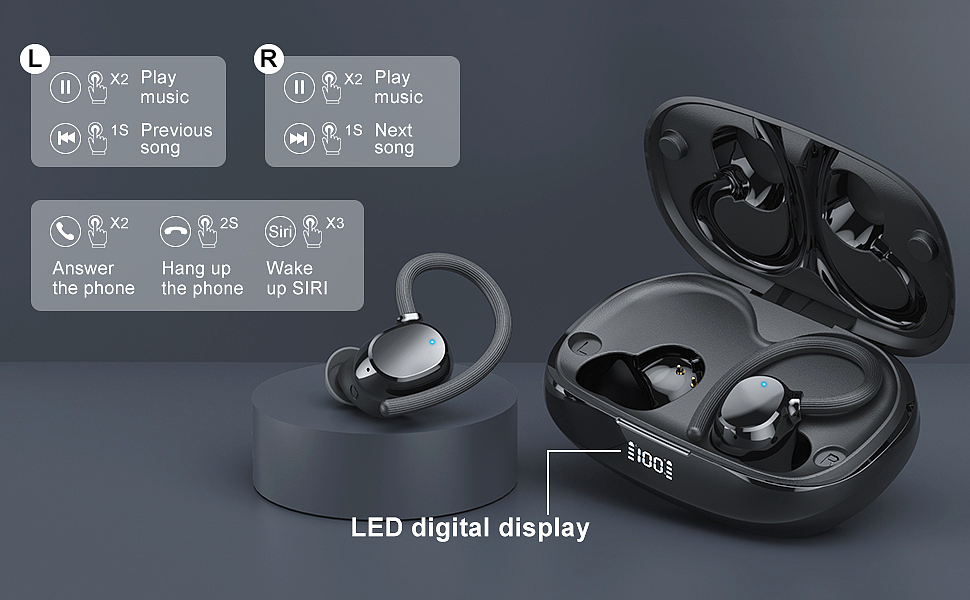
This transparency allows athletes to incorporate “battery check” into their pre-workout ritual, alongside tying laces and filling water bottles. It professionalizes the usage experience.
Interaction on the Move: Touch Controls
While physical buttons offer certainty, they can be difficult to press when an earhook is already securing the device. The Q61 utilizes sensitive touch controls to minimize disruption. A light tap can pause music or answer a call without dislodging the earbud’s position or pressing it painfully into the ear canal. This zero-force interaction preserves the ergonomic stability established by the earhook.
Conclusion: Equipment, Not Accessories
When functionality drives design, the result is resilience. The WUYI Q61 demonstrates that sports audio requires a specific set of engineering choices: hydrophobic coatings for longevity, earhooks for biomechanical stability, and digital feedback for logistical certainty. For the athlete, these aren’t just features; they are the difference between a distraction and a tool.


